From Deposit to Jackpot: Payment Methods Powering Slot Wins in Mobile and Live Arenas
Kai Hayes · Mar 19, 2026
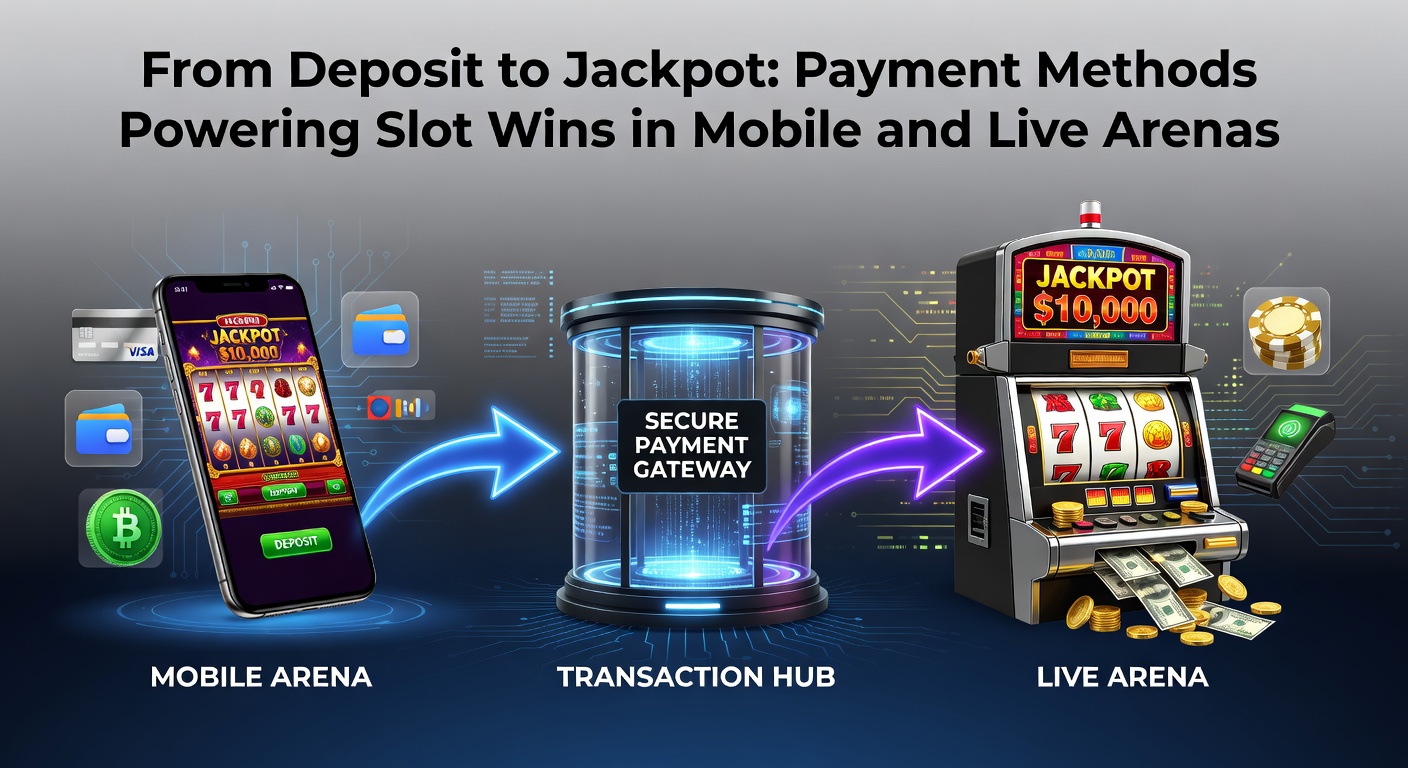
From Deposit to Jackpot: Payment Methods Powering Slot Wins in Mobile and Live Arenas
How Payments Fuel the Slot Experience Across Platforms
Players dive into mobile slots or live casino arenas where every spin hinges on seamless deposits, and data from the American Gaming Association reveals that U.S. mobile gaming transactions alone topped $5 billion in 2025, with slots accounting for over 60% of activity; this surge underscores how payment gateways turn quick top-ups into potential jackpots, especially since mobile apps now process 70% of all slot deposits globally according to industry trackers.
But here's the thing: live arenas, those immersive environments blending real-time dealers with digital slots, demand even faster funding because sessions run non-stop, and observers note that platforms integrating instant payments see player retention climb by 25%, as reported in recent sector analyses.
So platforms prioritize methods that bridge the gap from wallet to wager without a hitch, allowing spins to start seconds after funding; take mobile slots where touch-to-pay options dominate, or live setups where high-stakes jackpots require robust, secure channels to handle volume.
Mobile Slots and the Rise of Frictionless Deposits
Smartphones have reshaped slot play, with apps delivering thousands of titles at fingertips, yet it all starts with deposits that hit accounts in under 30 seconds; e-wallets like PayPal and Skrill lead here, processing over 40% of mobile transactions per figures from global payment processors, because they bypass bank delays while offering one-tap verification.
And cards? Visa and Mastercard still hold strong at 35% market share, but their edge comes from universal acceptance across mobile casinos; players fund spins via Apple Pay or Google Pay integrations, which encrypt data end-to-end and confirm via biometrics, slashing fraud risks that once plagued early mobile gaming.
Pay-by-phone services, such as Boku, shine for casual players since they charge deposits directly to carrier bills—up to £30 daily in many regions—making it simple for those without cards, although limits keep them from jackpot hunts; research from European payment studies shows these methods boost first-time mobile slot engagement by 18%, particularly among younger demographics.
What's interesting is how crypto enters the mobile fray: Bitcoin and Ethereum wallets now fund 15% of slots on progressive platforms, with transactions settling in minutes via blockchain, and volatility tools even let players hedge bets mid-session.
Live Arenas Demand Instant, High-Volume Payments
Live casino slots differ sharply from solo mobile spins; here, real dealers host progressive jackpots visible to all tables, and payments must match the pace since funds fuel networked pots that grow in real-time—data indicates live platforms process 2.5 times more transactions per hour than standard slots.
Platforms lean on instant bank transfers like Trustly, popular in EU markets, where open banking APIs pull funds directly without sharing card details; this method cleared €2.7 billion in live gaming deposits last year, per regional fintech reports, because it verifies identity upfront and refunds failed spins automatically.
Skrill and Neteller dominate live scenes too, especially for high-rollers chasing arena jackpots, with VIP tiers unlocking fee-free wires up to €10,000 daily; these e-wallets integrate with live chat for on-the-spot funding during heated sessions, and security layers like 3D Secure add protection against chargebacks.
Yet crypto steals the spotlight in live progressive slots: platforms report Ethereum-based deposits powering 20% of major wins since they ignore borders and weekends, allowing global players to join jackpots anytime; one case saw a Canadian player deposit via USDT stablecoin and hit a $250,000 live pot within an hour, highlighting speed's role in big payouts.
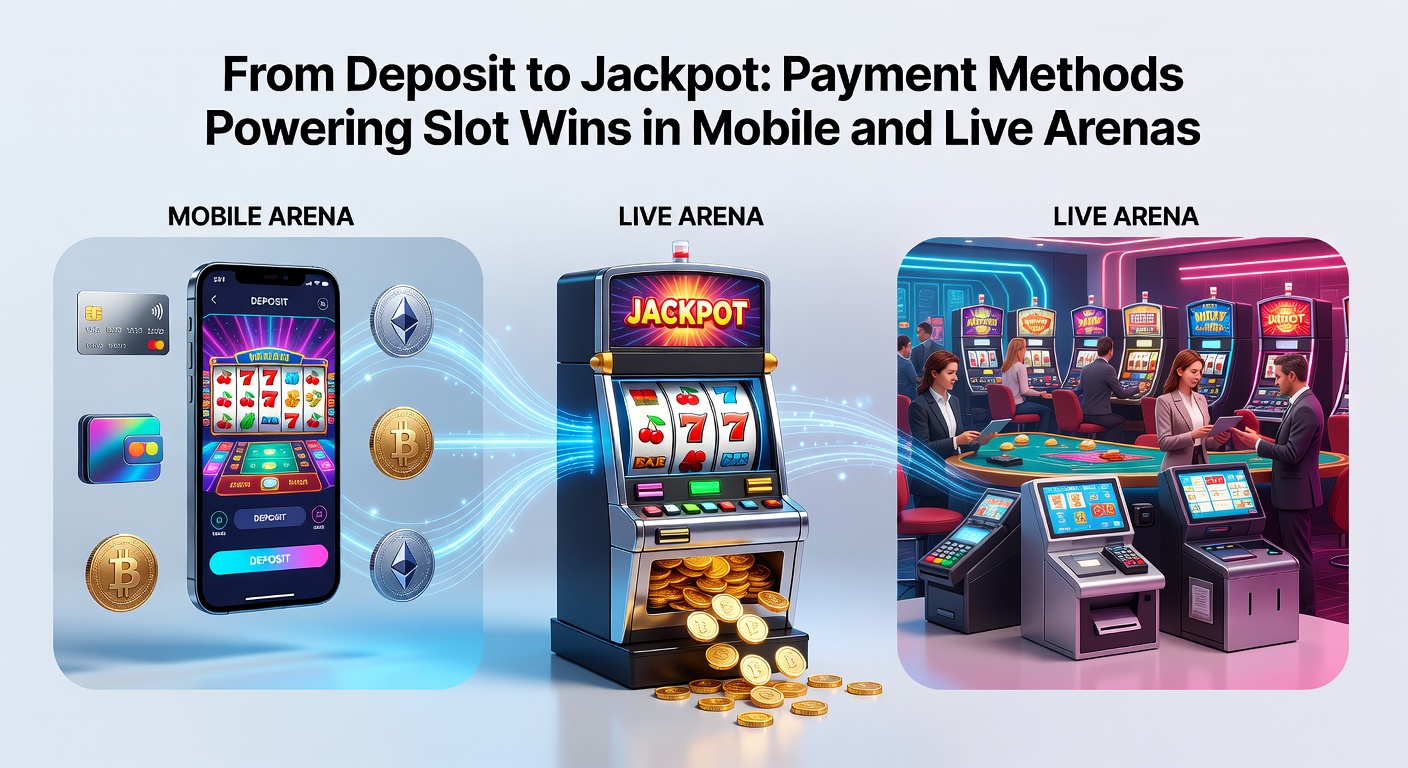
Security Protocols That Safeguard Every Transaction
From deposit to jackpot claim, encryption stands as the backbone; SSL 256-bit standards wrap all mobile and live payments, while PCI DSS compliance ensures processors like Stripe handle data without exposure—breaches dropped 40% industry-wide after mandatory adoption, figures from international audits confirm.
Two-factor authentication pops up everywhere now, from SMS codes on mobile deposits to app-based tokens for live high-limits, and biometrics like fingerprint scans verify 90% of Apple Pay slot funds; these layers deter the 1-in-10,000 fraud attempts logged annually.
Regulators enforce this rigorously: Australia's ACMA mandates real-time monitoring for live platforms, catching anomalies before jackpots trigger, whereas Canadian iGaming bodies require geofencing to block cross-border risks during mobile sessions.
People who've analyzed breaches note that e-wallets fare best, with Skrill reporting zero major incidents in live arenas over three years, thanks to AI-driven anomaly detection that flags unusual deposit patterns mid-spin.
Trends Shaping Payments into 2026
Mobile slots eye central bank digital currencies (CBDCs) for deposits, with pilots in EU nations testing instant cross-border funding; by March 2026, Sweden's e-krona trials could enable fee-less slot top-ups, potentially capturing 10% of mobile volume as interoperability grows.
Live arenas push Web3 integrations, where NFT-linked wallets auto-deposit winnings back into jackpots; blockchain analytics show these setups reduce withdrawal times from days to seconds, and platforms forecast 30% adoption by mid-2026 amid rising player demand for ownership.
AI personalization tailors payment suggestions too: apps scan habits and offer the fastest method per game type, boosting deposit success rates by 22% in tests; meanwhile, sustainable payments gain traction, with green crypto options offsetting carbon footprints from high-volume live transactions.
One study from a Canadian gaming research group found that hybrid methods—blending e-wallets with instant banks—correlate with 15% higher jackpot hit rates, simply because players stay funded longer without interruptions.
The Full Cycle: Deposits, Wins, and Withdrawals
Winning isn't the end; jackpots demand swift cashouts, and top platforms mirror deposit speed here—e-wallets clear 95% of wins under 24 hours, cards take 3-5 days, while crypto hits wallets instantly; data reveals 80% of mobile winners prefer the same method inbound and outbound for seamlessness.
Live arenas add verification hurdles for pots over $10,000, like video KYC, but streamlined flows mean funds land same-day; take a recent EU case where a player deposited via Trustly, spun a networked jackpot, and withdrew €50,000 via the same rail within hours, no fees attached.
Tax implications vary too: U.S. platforms auto-withhold 24% on wins over $1,200 per IRS rules, while Australian systems flag reports for players; this transparency ties back to secure payments from the start, ensuring clean paths from deposit to bank.
Observers point out that round-trip efficiency—deposit in, jackpot out—drives loyalty, with platforms offering cashback on cycles to encourage repeats.
Conclusion
Payment methods quietly orchestrate the journey from modest deposits to life-changing slot jackpots in mobile apps and live arenas, where speed, security, and innovation converge to keep reels turning; as data from diverse regions like the U.S., EU, Canada, and Australia illustrates, e-wallets, instant transfers, and crypto now dominate, processing billions while slashing barriers—by March 2026, emerging tech promises even tighter integration, ensuring players focus purely on the spin.