Layered Gaming Experiences: How Studios Integrate Interactive Play with Dynamic Rewards and Flexible Payments
Viktor Werner · Jun 29, 2026
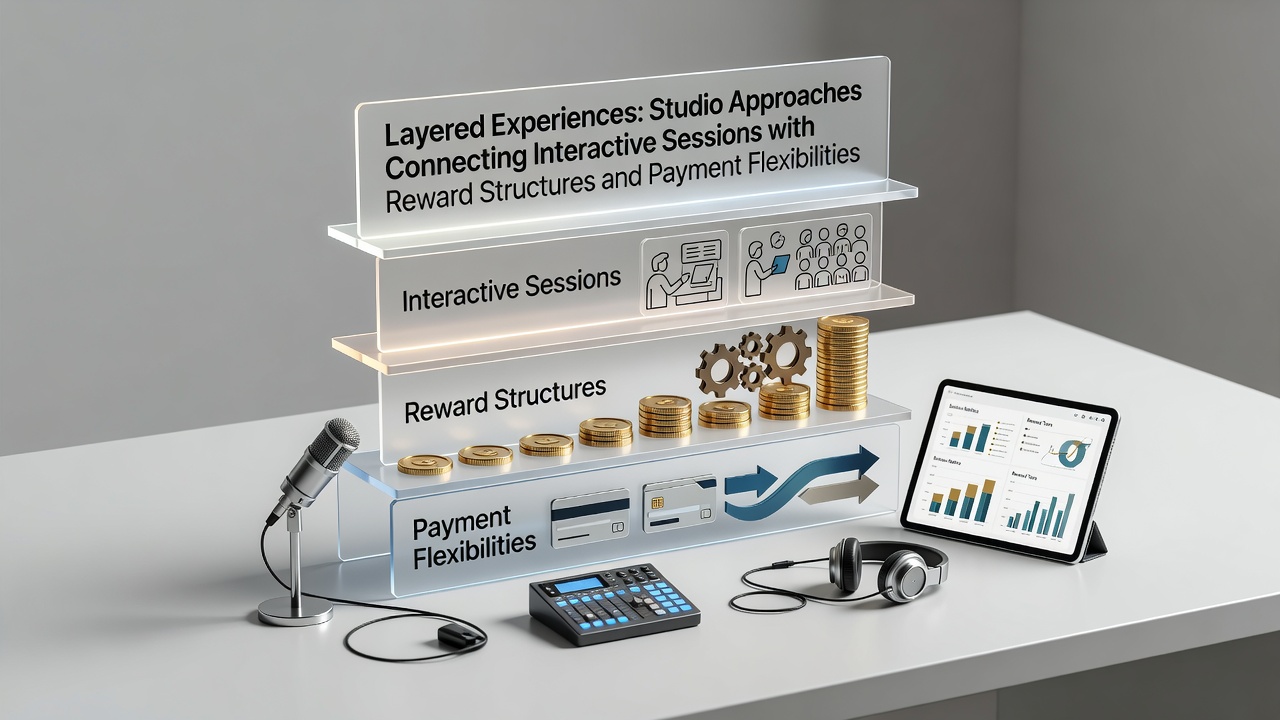
Layered Gaming Experiences: How Studios Integrate Interactive Play with Dynamic Rewards and Flexible Payments
Game development studios have refined methods that tie interactive sessions directly to reward structures and adaptable payment systems, creating experiences where player actions trigger layered outcomes across multiple platforms. These approaches emerged as studios responded to demands for seamless connections between live interactions, accumulated benefits, and transaction choices that adjust to user preferences. Data from industry reports indicate that such integrations increased session retention rates by measurable margins in markets tracked through 2025.
Core Elements of Interactive Session Design
Studios construct interactive sessions around real-time decision points that feed into reward calculations without interrupting flow. Developers at major providers program these sessions to recognize patterns in player choices, then map those patterns onto escalating reward tiers that unlock automatically. This method allows sessions to evolve based on engagement levels, with each layer building on the previous one through coded triggers rather than separate menus.
Payment flexibilities enter the structure at designated checkpoints, where transaction options appear as extensions of the session itself. Users select from varied methods that process immediately, and the system records these choices to adjust future reward delivery speeds. Observers note that this linkage reduces friction points that previously separated play from payouts.
Reward Structures That Respond to Session Data
Reward frameworks in these layered systems operate on algorithms that pull data from interactive moments and convert it into personalized incentives. Studios implement progressive multipliers that activate when session duration or complexity reaches thresholds set during initial design phases. Evidence from provider documentation shows these structures maintain consistency across desktop and mobile environments through synchronized back-end protocols.
One approach involves embedding reward triggers within narrative elements of the session, so achievements feel like natural extensions of the interactive story. Studios test these elements in controlled environments before full release, refining variables that connect payment timing to reward release schedules. Reports compiled by the American Gaming Association highlight how such testing protocols contributed to standardized practices adopted across North American operators by early 2026.
Payment Flexibility as an Embedded Layer
Payment systems gain flexibility when studios design them as modular components rather than external add-ons. Multiple gateways integrate at the session level, permitting switches between methods mid-experience without exiting the interface. This setup supports instant verifications that align with reward crediting timelines, ensuring funds movement matches the pace of interactive progress.
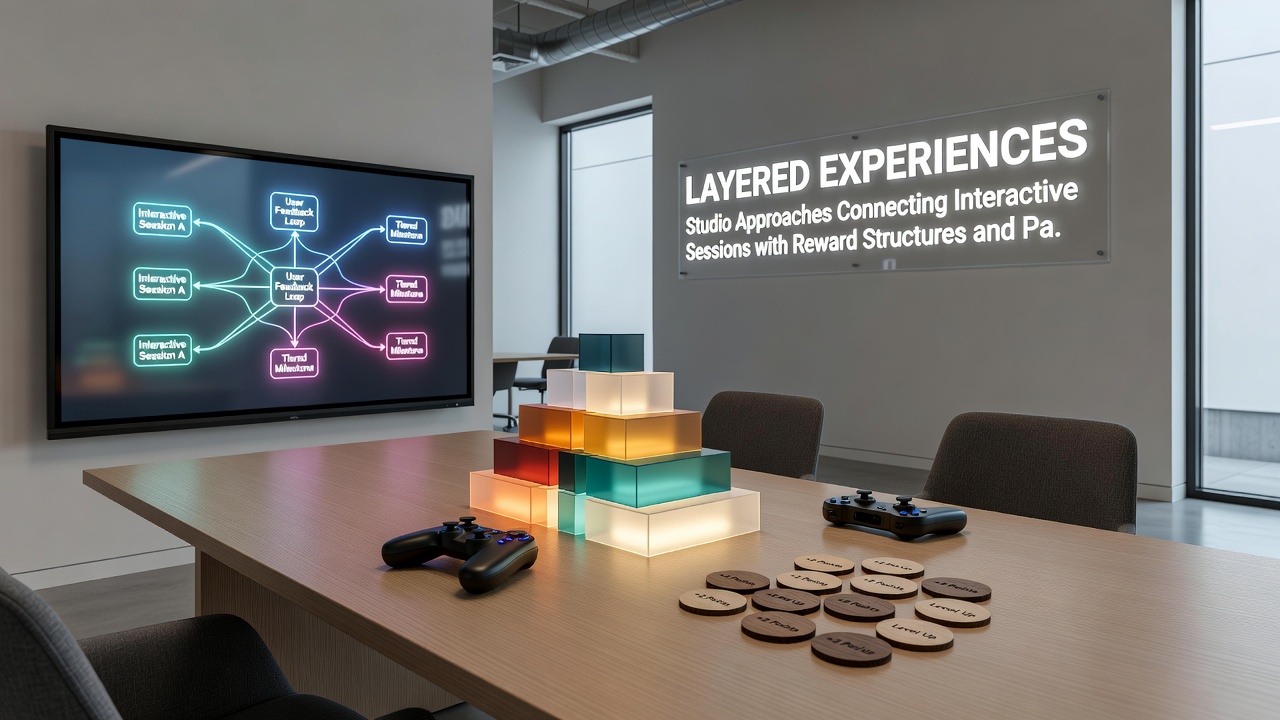
Developers incorporate regional compliance requirements into these modules during coding phases, allowing automatic adjustments based on user location data. Figures from the Australian Communications and Media Authority reveal that similar modular designs appeared in licensed operations throughout Oceania during the first half of 2026, coinciding with updated digital transaction standards.
Technical Connections Across Platforms
Studios achieve cross-platform consistency by using unified APIs that transmit session data, reward status, and payment records simultaneously. These connections enable updates to propagate across all active devices in real time, maintaining layer integrity regardless of access point. Research conducted at institutions such as the University of Nevada, Las Vegas gaming labs documented performance metrics for these API frameworks in live testing scenarios completed before June 2026.
Additional safeguards include encryption layers that protect the flow of information between interactive elements and backend reward ledgers. Payment processors receive encrypted packets that include session context, allowing them to apply flexible rules without compromising security protocols established industry-wide.
Implementation Patterns Observed in 2026
By June 2026 several studios had rolled out updated versions of these layered systems following pilot programs in select markets. Patterns show emphasis on user-controlled customization within reward pathways, where participants adjust notification settings tied directly to payment preferences. Such features emerged from iterative feedback loops that studios maintain with operator partners.
Case examples include providers who synchronized live dealer interactions with tiered loyalty mechanics and instant deposit options, creating continuous loops where session results influence both immediate rewards and future payment terms. These implementations rely on backend synchronization that processes multiple data streams without latency spikes.
Conclusion
Studio methods for layered experiences continue to center on precise connections between interactive sessions, responsive reward systems, and adaptable payment structures. Available data through mid-2026 demonstrate measurable adoption across varied regulatory environments, with technical frameworks supporting ongoing refinements. These developments reflect coordinated efforts among developers, operators, and oversight bodies to maintain functional integration at scale.