Provider Algorithms Forge Connections Between Live Dealer Sessions and Mobile Reel Bonuses Using Winners Club Triggers
Viktor Werner · Jul 15, 2026

Provider Algorithms Forge Connections Between Live Dealer Sessions and Mobile Reel Bonuses Using Winners Club Triggers
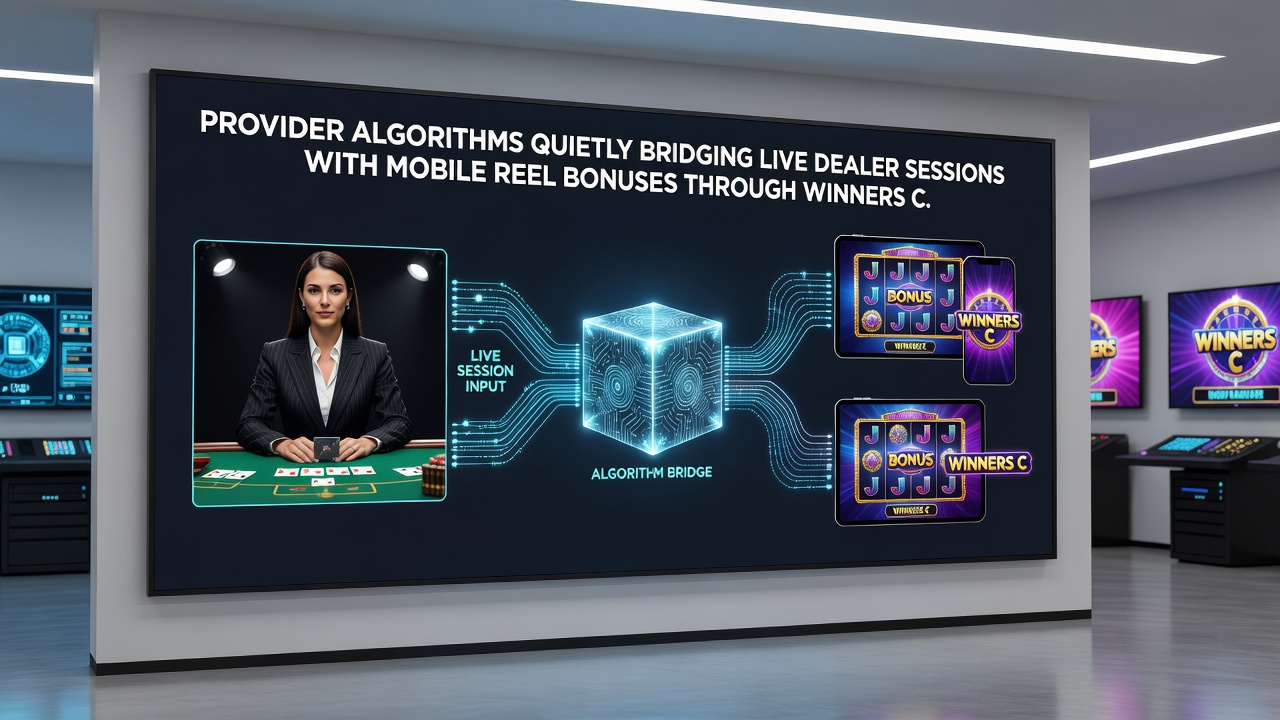
Game providers have developed algorithms that connect live dealer sessions directly to mobile reel bonuses, and these systems activate through winners club payment triggers in coordinated sequences. Data from industry monitoring shows that such integrations track player activity across platforms, then apply triggers when payment thresholds in loyalty programs are met. Observers note that this process operates without player intervention once initial settings are configured.
Payment triggers function as the activation points where winners club accounts record qualifying deposits or wins, and the algorithms then allocate mobile reel bonuses that correspond to live dealer outcomes. Research indicates these connections rely on real-time data streams between casino operators and providers, which allows bonuses to appear on mobile devices during or immediately after live sessions conclude.
Technical Mechanisms Behind the Integration
Algorithms process multiple data inputs including session duration in live dealer environments, wager amounts, and club membership tiers before determining bonus eligibility. When a payment trigger registers in the winners club system, the algorithm matches that event to available mobile reel promotions and issues them automatically. Studies from academic sources on digital gaming platforms reveal that these matching routines use timestamp synchronization to maintain consistency across live and mobile interfaces.
Providers maintain separate modules for live dealer tracking and mobile slot delivery, yet the payment trigger serves as the bridge that activates cross-platform rewards. Figures from European gaming associations demonstrate that such modules have expanded in usage since 2024, with additional refinements scheduled for deployment in July 2026 to handle higher transaction volumes during peak periods.
Role of Winners Club Payment Systems
Winners clubs collect and store player transaction records, and the algorithms query these records to identify qualifying payments that unlock mobile reel bonuses tied to live dealer participation. This structure allows clubs to function as central repositories while the algorithms execute the matching logic. Those who monitor platform updates report that payment verification occurs within seconds, enabling near-instant bonus deployment on mobile devices.
Payment triggers also incorporate tier-based multipliers, where higher club levels receive adjusted bonus values calculated by the same algorithms. According to reports issued by the Australian Institute of Family Studies on gambling technologies, these tier adjustments have increased the frequency of cross-platform rewards in regulated markets. The systems operate continuously, updating eligibility as new payments process through club accounts.
Impact on Player Activity Patterns
Activity data collected across multiple operators shows that players who engage with live dealer sessions and receive subsequent mobile bonuses through these triggers tend to maintain longer overall session times. Algorithms record these patterns and adjust future trigger thresholds to align with observed behaviors. Industry organizations such as the Canadian Gaming Association have documented similar trends in their annual technology summaries, noting that the integrations support sustained engagement without requiring separate promotional campaigns.
Live dealer outcomes feed into the algorithm as input variables, which then influence the type and value of mobile reel bonuses released after a payment trigger activates. This creates a feedback loop where results from one format inform rewards in another. Data shows that such loops have become more common as providers refine their synchronization protocols.
Regulatory and Operational Considerations
Operators must ensure that algorithm-driven bonus allocations comply with local licensing requirements, and payment triggers are audited to confirm accurate recording of club transactions. In July 2026 several jurisdictions plan to introduce updated reporting standards that will require detailed logs of cross-platform reward deliveries. These standards aim to maintain transparency while the underlying algorithms continue to manage the connections between live and mobile environments.
Providers test these systems through controlled rollouts before wider deployment, and observers note that the testing focuses on trigger reliability and data accuracy. External verification from research institutions helps confirm that the algorithms perform consistently across different network conditions and device types.
Future Developments in Algorithm Design
Upcoming updates scheduled for later in 2026 include expanded use of predictive elements within the algorithms, which would anticipate eligible payments based on historical club activity. Such features would allow mobile reel bonuses to prepare in advance of live dealer session conclusions. Reports from university-led studies on gaming systems indicate that these predictive layers build directly on existing trigger mechanisms rather than replacing them.
Integration with additional payment methods continues to evolve, and the algorithms adapt to new transaction formats as they gain adoption in winners club systems. This adaptability supports ongoing connections between live dealer participation and mobile rewards without requiring structural changes to the core trigger process.
Conclusion
Provider algorithms currently manage the linkage between live dealer sessions and mobile reel bonuses by relying on winners club payment triggers as the central activation points. These systems process data from multiple sources, apply matching rules, and deliver rewards through established club frameworks. Continued refinements, including those planned around July 2026, focus on maintaining accuracy and expanding compatibility with new operational requirements across regulated markets.